Gummy bears have really stood the test of time, becoming a favorite treat for both kids and adults alike. If you look at the numbers, according to a report by Grand View Research, the worldwide gummy candy market was worth around $7.95 billion back in 2020. And get this — it's expected to keep growing at a roughly 4.7% rate each year from 2021 to 2028. That kind of growth just shows how much people love these little colorful, playful shapes with their tempting flavors.
What makes Gummy Bears so appealing isn’t just their yummy taste or chewy texture — it’s also the nostalgic feel they bring. I mean, a survey by the National Confectioners Association found that about 41% of people see gummy candies as a fun way to treat themselves. Plus, with new flavors and creative twists popping up all the time, they’ve become a real staple in the world of sweets. And these days, there’s also a push towards organic and vegan options, which means even more folks can enjoy them — no matter their diet preferences.
Oh, and don’t forget, Gummy Bears aren’t just for munching on straight out of the bag. They’ve found their way into desserts, snacks, even drinks! Their versatility keeps them in the spotlight, loved by people of all ages. With all the innovation happening in the market, it looks like Gummy Bears are here to stay — a fun, tasty treat that’ll probably be around for many more years to come.
The Origin and History of Gummy Bears
Gummy bears have a charming history that dates back to the early 20th century. These delightful confections were first created in Germany by confectioner Hans Riegel in the 1920s. Inspiration struck him while observing traditional dancing bears in street performances, leading him to craft these chewy, bear-shaped treats. He initially named them "dancing bears" (Tanzbären) and marketed them as a fun, playful candy. Over time, these sugary delights grew in popularity, making their way across borders and eventually becoming a beloved snack worldwide.
To preserve their chewy texture and flavor, it’s essential to store gummy bears properly. Keep them in a cool, dry place away from direct sunlight. If you live in a humid climate, consider storing them in an airtight container to prevent them from becoming sticky. Another tip for enhancing your gummy bear experience is to pair them with a favorite drink—like soda or cocktails—for an added burst of flavor and fun.
As gummy bears evolved, their varieties expanded, catering to different tastes and dietary preferences. Various flavors, shapes, and even vegan options emerged, solidifying their status as a versatile treat for all ages. Their nostalgic connection to childhood and the joy they bring continues to make gummy bears a favorite sweet across generations.
The Ingredients that Make Gummy Bears So Tasty
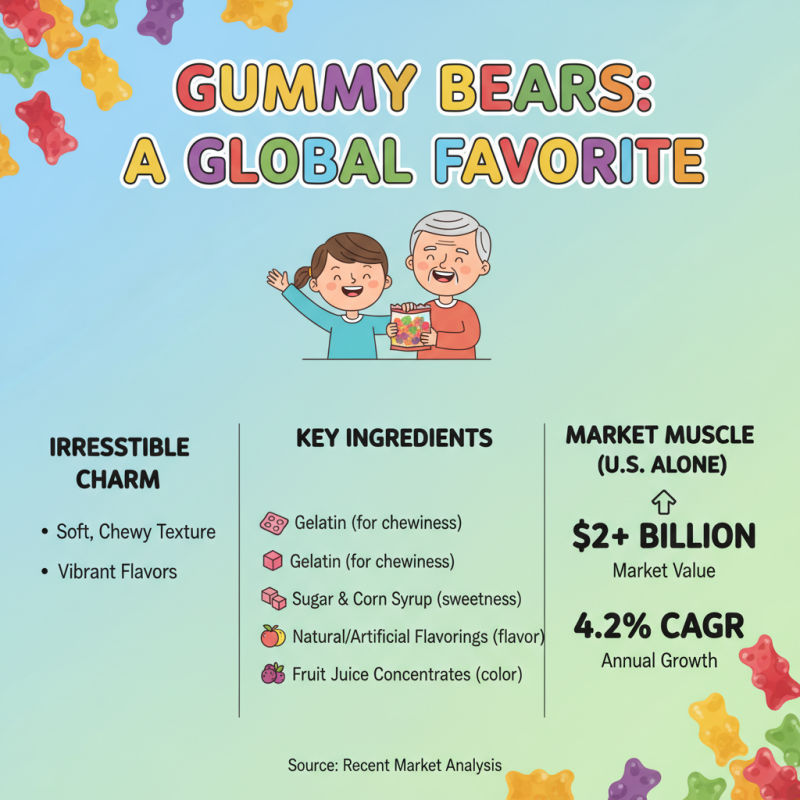
Gummy bears have enchanted taste buds across generations, becoming a beloved treat for both young and old. Central to their irresistible charm are the carefully chosen ingredients that create their soft, chewy texture and vibrant flavors. Typically composed of gelatin, sugar, corn syrup, and natural or artificial flavorings, gummy bears provide a fun and delightful snacking experience. In a recent market analysis, the gummy candy sector was valued over $2 billion in the U.S. alone and continues to grow at an annual rate of 4.2%, illustrating its widespread appeal.
One of the key components of gummy bears is gelatin, derived from collagen, which gives them their iconic chewy consistency. This ingredient not only enhances the texture but also contributes to the playful mouthfeel that makes gummy bears so enjoyable to eat. Furthermore, the use of fruit-based flavorings and colors adds a sensory dimension that makes every bite an adventure. Many gummy manufacturers are now also offering vegan alternatives using pectin, which expands accessibility for diverse consumer preferences.
Tips for enjoying gummy bears responsibly: Be mindful of portion sizes, as it can be easy to overindulge in these sweet treats. Consider sharing a bag with friends or using them as an occasional reward for special occasions. Additionally, exploring variations such as sour or probiotic gummy options may provide a unique twist on the classic treat, making your experience even more enjoyable!
The Appeal of Gummy Bears Across Different Age Groups
Gummy bears have captured the hearts of people of all ages, resonating particularly well with both children and adults. Research indicates that the global gummy candy market reached approximately $6.2 billion in 2020 and is projected to grow significantly, with an expected CAGR of around 5.2% from 2021 to 2026. This growth can be attributed to their playful design and delightful flavors that appeal to the innate sense of nostalgia in adults while engaging the adventurous spirit of children. The ease of sharing and the visually appealing packaging also play crucial roles in their widespread popularity.
Furthermore, gummy bears' versatility enhances their appeal. Beyond being just a candy, they have evolved into functional supplements, like vitamins and probiotics, that target health-conscious adults. According to a report by Statista, the gummy vitamin market alone generated over $7 billion in revenue in 2020, showcasing a significant shift towards edible supplementation that caters to the preferences of younger demographics. This unique combination of fun and functionality draws in a diverse audience, making gummy bears a staple treat that transcends age boundaries, enriching their status as a beloved confectionery across generations.
Why Are Gummy Bears so Irresistibly Popular Among All Ages? - The Appeal of Gummy Bears Across Different Age Groups
| Age Group |
Popularity Reasons |
Favorite Flavors |
Consumption Occasion |
| Children (3-12 years) |
Fun shapes, playfulness |
Strawberry, Orange, Lemon |
Treats, Parties |
| Teens (13-19 years) |
Social sharing, flavored variety |
Sour, Wildberry, Tropical |
Movies, Sleepovers |
| Adults (20-40 years) |
Nostalgia, stress relief |
Peach, Raspberry, Cola |
Work breaks, Parties |
| Seniors (41+ years) |
Chewability, sweetness |
Cherry, Grape, Mixed Berry |
Family gatherings, Leisure |
Cultural Significance of Gummy Bears in Popular Media
Gummy bears have woven themselves into the fabric of popular culture, transcending generations and becoming a beloved treat among people of all ages. Their vibrant colors and chewy texture make them highly appealing, but their cultural significance extends far beyond mere confectionery. According to a report from the National Confectioners Association, the gummy candy market, which includes gummy bears, was valued at approximately $2 billion in the U.S. alone in 2022, indicating a growing enthusiasm for these delightful treats.
The portrayal of gummy bears in media further cements their status as a cultural icon. Movies, television shows, and social media regularly feature these candies, often in whimsical or humorous contexts that endear them to audiences. For instance, the animation of gummy bears in various children’s programming has created a sense of nostalgia, encouraging adult consumers to indulge in the sweet memories of their childhood. A survey conducted by Statista found that 78% of adults ages 25-34 enjoy gummy candies, showing their lasting appeal across age groups.
Moreover, gummy bears have even become a popular subject in contemporary art and social media trends. Artists and influencers often utilize their nostalgic imagery to invoke playful sentiment, and hashtags related to gummy bears frequently trend on platforms like Instagram and TikTok. As a symbol of fun and whimsy, gummy bears effectively bridge the gap between generations, reinforcing their status as a cherished cultural phenomenon. With their enduring popularity, it's clear that gummy bears will continue to delight and inspire creativity in popular media for years to come.
The Role of Marketing in Gummy Bear Popularity
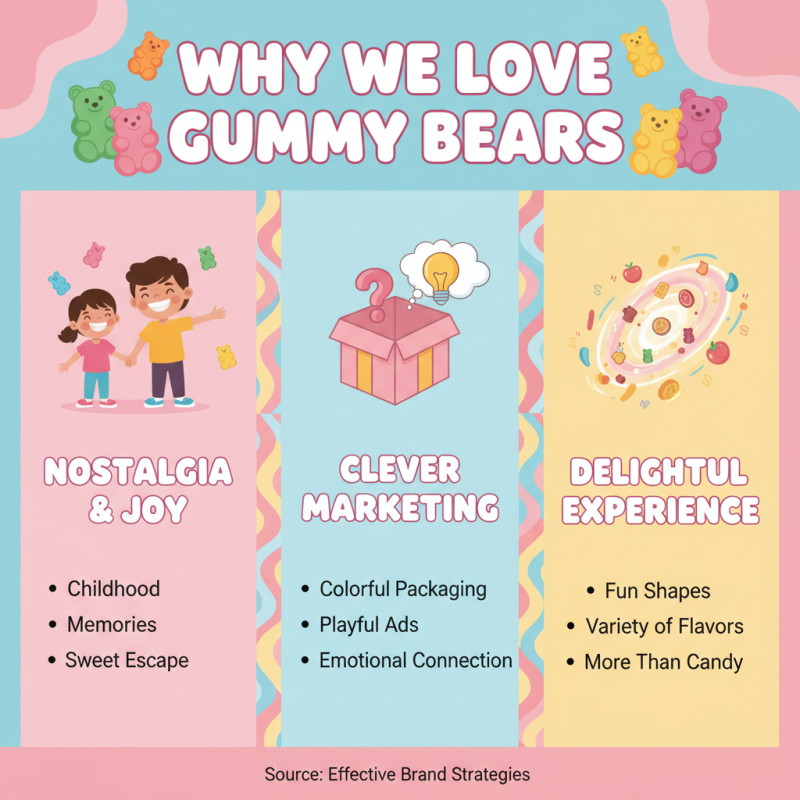
The popularity of gummy bears can be largely attributed to effective marketing strategies that resonate with consumers across different age groups. From colorful packaging to clever advertisements, the branding of gummy bears taps into nostalgia and whimsy, appealing to both children and adults alike. The playful imagery and fun shapes serve to create an emotional connection, inviting consumers to relive fond memories from their childhood. By positioning gummy bears as not just a candy but a delightful experience, marketing efforts successfully enhance their allure.
Social media plays a significant role in the marketing of gummy bears, amplifying their reach and cultural relevance. Engaging content, such as creative recipes and innovative uses for gummy bears, encourages users to share their experiences online. This word-of-mouth promotion, combined with influencer collaborations, captivates a broader audience and fuels the desire to indulge in these chewy treats. Moreover, themes of sharing and enjoyment resonate well in digital conversations, further establishing gummy bears as a fun treat for gatherings and celebrations, reinforcing their status as a universally loved confectionery.
Health Considerations: Are Gummy Bears Good or Bad for You?
Gummy bears have captured the hearts of people across various age groups, yet their health implications invite scrutiny. Many perceive gummy bears as a fun treat; however, the evidence surrounding their nutritional value raises concerns. According to the American Heart Association, the average gummy bear contains about 2 grams of sugar per piece. With serving sizes often exceeding the recommended daily sugar intake, frequent consumption can lead to excessive sugar consumption, potentially increasing the risk of obesity and related health issues.
Moreover, the ingredients commonly found in gummy bears, such as gelatin and artificial colors, present further health considerations. A study from the Journal of Nutrition indicates that while gelatin can contribute to collagen production and joint health, it often comes packaged with high fructose corn syrup, which is linked to numerous metabolic disorders. Additionally, the presence of artificial additives may lead to sensitivities for some consumers. Consequently, while gummy bears can provide a moment of joy, it is crucial to moderate their consumption and be aware of the potential drawbacks associated with their ingredients.
Popularity and Health Considerations of Gummy Bears Among Different Age Groups
This chart illustrates the popularity rating of gummy bears among various age groups, highlighting a significant preference among children and teens, while interest declines in older demographics. The health considerations of gummy bears, including sugar content and potential additives, contribute to their varying appeal across ages.
Creative Uses of Gummy Bears Beyond Snacking
Gummy bears have transcended their role as mere candies, evolving into versatile treats used in creative and unexpected ways. Beyond traditional snacking, these chewy delights have permeated various aspects of everyday life, from baking enthusiasts incorporating them into cupcakes and cookies to party planners utilizing them as vibrant decorations in candy buffets. According to a report by the National Confectioners Association, the gummy candy market has been experiencing significant growth, projected to reach approximately $4.2 billion in revenue by 2026. This surge indicates not only a rising popularity in consumption but also a burgeoning creativity in their use.
One unique application of gummy bears is in culinary arts, where they are used to infuse spirits and create gummy cocktails. Mixing them into cold beverages allows for flavorful bursts, enhancing party experiences. Additionally, gummy bears have found their way into educational settings, serving as fun tools for teaching math concepts or even biology—a tasty way to engage students in science experiments.
Tips: When incorporating gummy bears into recipes, experiment with different soaking times to achieve varying levels of flavor infusion. For a fun classroom project, use gummy bears for hands-on learning by measuring their weights, illustrating concepts of volume, and even exploring the effects of heat by observing how they change when placed in warm water. With endless possibilities, gummy bears prove to be an irresistible favorite that brings joy beyond the candy aisle.
Exploring the Growth of the Gummy Candy Market: Insights and Trends in Double Packaged Gummies with Unique Fillings
The gummy candy market is experiencing significant growth, particularly with the emergence of double packaged gummies that feature unique fillings. These delightful confections not only provide a burst of flavor but are also designed to captivate consumers' attention through their whimsical shapes and vibrant colors. Each gummy candy is individually encased in uniquely shaped plastic shells, ensuring that every piece is not just a treat for the taste buds but also a visual delight. This innovative packaging approach enhances the overall gifting experience, making it an ideal choice for various occasions.
Furthermore, the exquisite jar design characteristic of these gummies not only elevates their visual appeal but also reinforces an upscale perception of the product. The dual packaging technique not only preserves the freshness of the gummies but also adds an element of surprise with each piece, creating an enjoyable experience for both children and adults alike. Whether it’s for birthday parties, festive celebrations, or simply a moment of personal indulgence, these gummies offer a fun twist on traditional confectionery, making them a popular choice among candy enthusiasts. The combination of fun shapes, unique fillings, and attractive packaging is driving the trend of gummy candies into new heights in the market.
Conclusion
Gummy Bears have become a beloved treat across generations, with their origin tracing back to Germany in the early 20th century. These chewy candies are crafted from a mix of gelatin, sugar, and flavorings, creating a unique taste that appeals to many. The distinctiveness of Gummy Bears lies not only in their flavor but also in their playful shapes and vibrant colors, which attract children and adults alike.
Their cultural significance has been amplified through appearances in popular media, contributing to their nostalgic value and widespread recognition. Marketing strategies have effectively highlighted Gummy Bears as a fun and enjoyable snack, further solidifying their position in the confectionery market. However, health considerations surrounding Gummy Bears raise questions about their nutritional value, as they are often high in sugar. Despite this, their creative uses in desserts and party favors showcase their versatility beyond mere snacking, ensuring that Gummy Bears remain a cherished item in many households.